
Participants
Approximately 192 individuals between 10-65 years of age
Check your eligibility now & get in touch with a study center
CHECK ELIGIBILITYCheck your eligibility now & get in touch with a study center
CHECK ELIGIBILITYCheck your eligibility now & get in touch with a study center
CHECK ELIGIBILITYCheck your eligibility now & get in touch with a study center
CHECK ELIGIBILITYCheck your eligibility now & get in touch with a study center
CHECK ELIGIBILITYDo you have sickle-cell disease?

Sickle cell disease (SCD) is a genetic blood disorder where red blood cells become shaped like a crescent or "sickle" instead of their normal round shape. These sickle-shaped cells are stiff and sticky, causing them to get stuck in small blood vessels and block blood flow. This blockage can cause pain, inflammation, organ damage, and other serious health problems.
The investigational medication is a new medicine being tested that works on a protein in your body called Bruton’s Tyrosine Kinase (BTK). This protein is involved in inflammation (swelling) and how blood cells stick together. By blocking BTK, the investigational medication may help reduce ongoing inflammation and prevent blood cells from sticking together too much. This could help prevent painful episodes and tissue damage in sickle cell disease.
The purpose of the study is to determine how effective the investigational medication is in reducing the symptoms of sickle-cell disease compared with a placebo (inactive medicine).
This study will include participants with sickle-cell disease who have had 2 to 10 painful crises called “acute clinical vaso-occlusive crises” (VOC) within 1 year before enrollment.
During Part A the investigational medication (2 in 3 chance) or placebo (1 in 3 chance) will be taken in a tablet form twice a day. The treatment is randomly chosen. In Part B every patient gets the investigational medication.
Study tasks include:

provided phone device to record symptoms and medication use


Participation in this study means that you agree to follow certain study rules. This will also help to ensure your safety.
What is a placebo?
A placebo looks like the medicine being tested and is also given in the same way as the investigational medication/treatment that is being studied, but it does not have any real medicine in it.
Is there a cost to participate?
There is no cost to participate. All study-related exams, study-related medications and study-related medical care are provided. There is no insurance required to take part in this study. You may be compensated for time and travel.
Sanofi believes that everyone should have the opportunity to take part in clinical trials. It is important to include people who have been historically under-represented in clinical trials. Sanofi is committed to inclusivity in our studies.
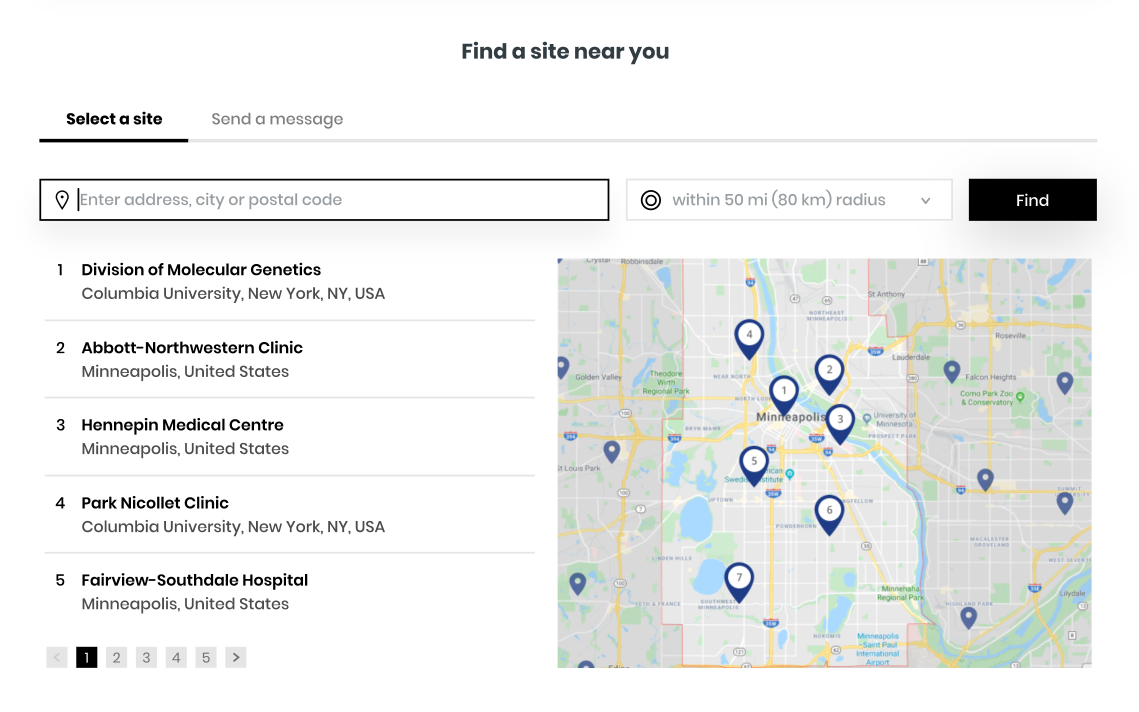
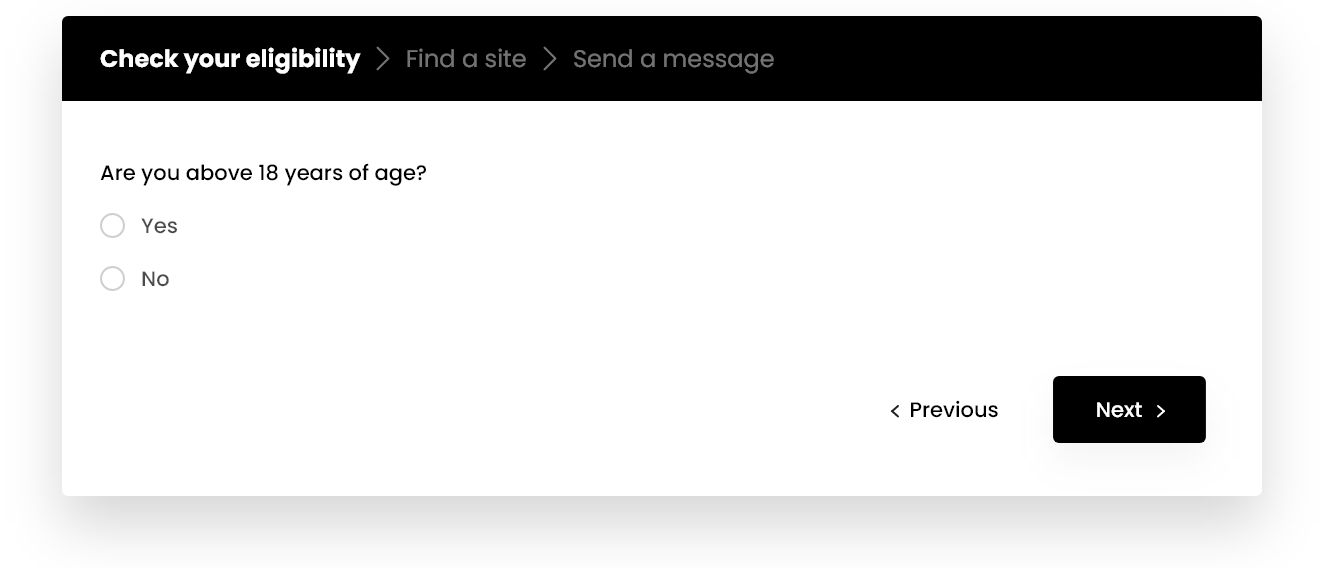
If you are interested in learning more about this study, we encourage you to complete a brief questionnaire to help determine if you may qualify to participate and be referred to a site recruiting in your area for further evaluation.
The prescreener preview is complete. You may now close the preview.
Version 1.0, Approved 05/2025
Images property of Sanofi

